What happens during an erection
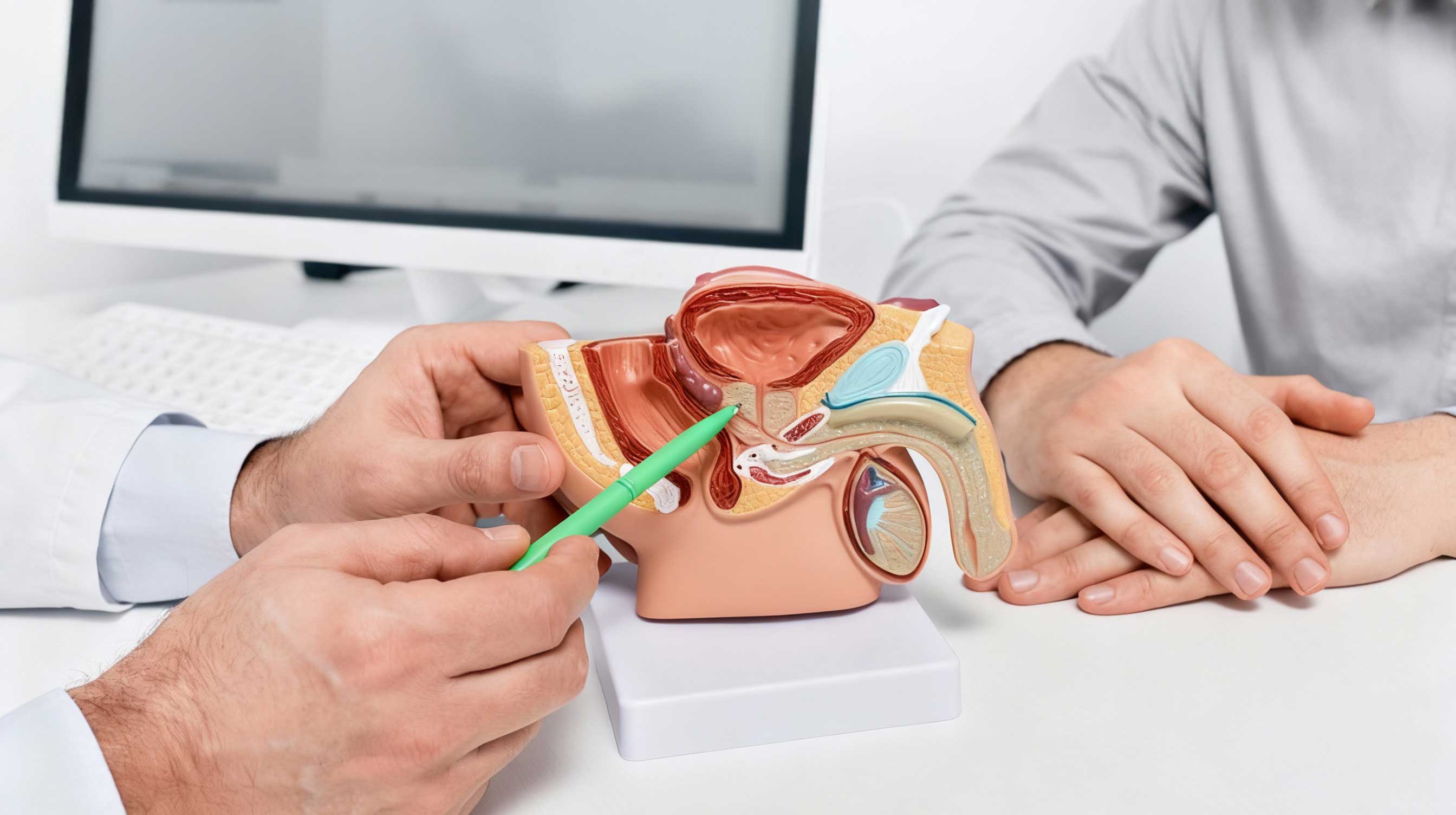
Erections depend on healthy arteries, veins, nerves, smooth muscle, and hormones. When any part is out of balance, vascular, hormonal, or neurological causes can lead to problems.
Nervous system
Signals from the brain relax penile muscles and open arteries. Calm helps erections; stress releases adrenaline that tightens vessels and reduces blood flow.
Penis vasculature
Arteries bring blood in and expanding tissue compresses veins to keep it there. With venous leakage or artery disease, blood escapes and rigidity is lost.
Hormones
Balanced hormones, especially testosterone, support desire, energy, and erection quality. Very low levels or thyroid issues can contribute and may need treatment.
Nocturnal erections
Night and morning erections are normal maintenance from the autonomic system. Fewer or weaker episodes can point to a medical cause worth checking.
Find the cause, choose the right treatment
ED may result from vascular disease, diabetes, high blood pressure, stress, or hormonal changes. Often, physical and psychological factors combine.
Venous-related ED
When veins do not hold blood, erections fade or feel unstable. Good ultrasound confirms this, and targeted treatments can provide lasting improvement.
Arterial-related ED
Narrowed arteries from smoking, diabetes, or high blood pressure limit flow. Minimally invasive procedures and risk control help restore circulation.
Microvascular dysfunction
Very small vessels may underperform with inflammation, stress, or metabolic issues. Lifestyle changes and tailored medicine often improve firmness and stamina.
Hormonal imbalance
Low testosterone or thyroid problems rarely explain everything but lower desire and energy. Checking and correcting hormones supports erections and wellbeing.
Neurological conditions
Nerve signals can be disrupted by diabetes, surgery, or spine and brain disease. A focused neurological review clarifies the issue and points to practical support.
Psychological and stress-related ED
Performance anxiety, relationship strain, or chronic stress can interrupt erections. Coaching and sex therapy work well, often alongside physical treatments.
Free Expert Guide to Erectile Dysfunction and Men’s Vascular Health’
Discover a practical, evidence-based guide to erectile dysfunction, including vascular causes, venous leakage, cardiovascular risk factors, diagnosis, and modern treatment options. Learn what to expect during consultation with Professor Éric Allaire and explore personalized approaches to restoring erectile and overall vascular health.
Erectile Dysfunction Patient Testimonials
Discover testimonials from patients around the world who sought specialized erectile dysfunction evaluation and treatment with Professor Éric Allaire. These patient experiences highlight the importance of personalized care, vascular diagnosis, confidential support, and advanced erectile dysfunction treatment strategies tailored to each individual.
“It took me almost three years to finally find a real solution for my erectile dysfunction. Professor Allaire and his team quickly identified the underlying vascular cause and proposed a treatment adapted to my situation. I later discovered that I had venous leak syndrome without knowing it. Before treatment, achieving and maintaining an erection had become extremely difficult, and I had lost confidence in myself and in my relationship. Today, things function naturally again, and I have recovered a quality of life that I truly believed was gone forever.”
“After my divorce, I met a woman younger than me. Very quickly, my erection problems became a major source of anxiety and embarrassment. I had tried several medications, but they either failed or caused unpleasant side effects, and I gradually started avoiding intimacy altogether. Then I discovered Professor Allaire. He immediately took my problem seriously and explained that age alone was not the only explanation. After surgery, things progressively improved. Today, I have regained an intimate life that I thought was behind me forever, and both my partner and I are extremely happy with the results.”
“For years, I kept my erection problems completely private. In my culture, men rarely talk about these issues, even when they become very difficult to live with. Over time, it started affecting my confidence, my social life, and the way I interacted with others. I avoided certain situations and felt deeply ashamed. People often asked why I was still single. Some even questioned my sexuality. Eventually, I realized I needed real medical help. After an online consultation with Professor Allaire, I finally understood that there was a genuine vascular cause and that treatment options existed. Since my procedure, I feel much better physically and emotionally. I have regained an important part of my life and feel far more comfortable in relationships.”
“My wife and I wanted to have children, but my erectile dysfunction was becoming increasingly difficult for both of us. Over time, it affected our relationship and my self-confidence as well. My wife was incredibly supportive, and together we decided to consult Professor Allaire. After treatment, things gradually returned to normal. One year later, our daughter was born. Even today, we still become emotional when we think about that period of our lives and how much things have changed.”
“I underwent surgery with Professor Eric Allaire in 2021 for venous leak erectile dysfunction. Before that, my sex life had become extremely difficult, especially at my age. Things are much better now, and I’ve regained an almost normal life. I still get nervous sometimes when dating, but physically everything works well again. I honestly think people should talk more about erectile dysfunction in younger men because many people — including some doctors — still don’t realize these conditions can affect young patients too.”
Privacy & confidentiality
Your information is transmitted securely (HTTPS) and processed by our trusted service providers according to Swiss data protection standards. We never use your data for marketing without your consent.
Answers to questions you might like to ask
Erectile dysfunction can have several causes, including poor blood flow, venous leak, diabetes, high blood pressure, hormonal imbalance, stress, anxiety, smoking, obesity, or certain medications. In many men, erectile dysfunction is primarily a vascular condition linked to early atherosclerosis and cardiovascular disease. A detailed medical and vascular evaluation helps identify the real cause and guide the most appropriate treatment.
Yes, erectile dysfunction can be a sign of heart disease, especially with arterial disease. The penile arteries are narrow and often the first damaged. It can be a signe of cardiovascular risks, like smoking, diabetes, and high blood pressure. ED can be an early warning sign.
Yes. Erectile dysfunction may be a consequence of premature ejaculation, and premature ejaculation may also result from ED.
Yes. Diabetes is one of the most common causes of erectile dysfunction. High blood sugar levels can damage blood vessels, nerves, and penile circulation, making it more difficult to achieve or maintain an erection. Erectile dysfunction in diabetic men may appear several years earlier than in the general population. Early diagnosis, blood sugar control, cardiovascular prevention, and specialized vascular evaluation can significantly improve erectile health and overall quality of life. Targeted solutions can be offered.
No. Aging does not automatically cause erectile dysfunction. While erections may naturally become slower or less rigid with age, persistent erectile dysfunction is often linked to underlying medical conditions such as cardiovascular disease, diabetes, hormonal imbalance, or reduced penile blood flow. Many men maintain healthy sexual function later in life when vascular health is preserved. Erectile dysfunction should not be considered a normal or inevitable part of aging, and effective treatments are available.
Yes. In selected patients, venous leak may be treated without penile implants. Treatment options can include vascular embolization, microsurgery, treatment of underlying cardiovascular risk factors, hormonal optimization, or targeted rehabilitation. A specialized vascular evaluation is essential to determine whether a patient may benefit from a conservative or reconstructive approach before considering a penile implant.
Yes. They are ineffective for 30–40% of men, often due to venous leakage. Effective drugs may also lose efficacy over time.
No. Around 4% of men under 25 have severe ED due to medical conditions, including 2% with venous leakage. Morning erection loss or difficulties during masturbation should prompt medical evaluation.
Vascular erectile dysfunction is diagnosed through a specialized medical evaluation focused on penile blood flow and cardiovascular health. This may include medical history, physical examination, blood tests, and penile Doppler ultrasound after pharmacological stimulation. These tests help identify arterial insufficiency, venous leak, or other vascular abnormalities affecting erections. Detecting vascular erectile dysfunction early may also reveal underlying cardiovascular disease.
Venous leak erectile dysfunction (or venous leakage) occurs when the veins inside the penis cannot retain blood properly during an erection. Blood enters the penis but escapes too quickly, making erections weak, unstable, or difficult to maintain. Venous leak can affect both young and older men and is often diagnosed with a penile Doppler ultrasound. Depending on the case, treatment options may include lifestyle changes, medication, embolization, or surgery.
Book a Consultation with Professor Éric Allaire